
Probiotics for Gout: What the Gut Research Shows
Probiotics for gout: the gut does help clear uric acid, and gout patients have different gut bacteria, but trials showing they prevent attacks are lacking.
Cherry, vitamin C, celery seed, apple cider vinegar and the rest — what the evidence supports and what it does not.
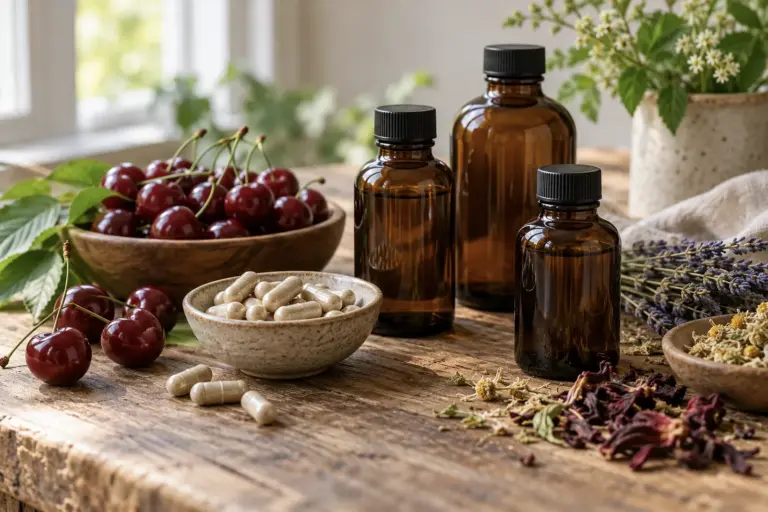
Probiotics for gout: the gut does help clear uric acid, and gout patients have different gut bacteria, but trials showing they prevent attacks are lacking.
Epsom salt soaks for gout do not lower uric acid — magnesium barely crosses skin. Why a hot soak can worsen a flare, plus the diabetic foot warning.
Essential oils for gout: no trials show they treat gout, they never replace medicine and must not be swallowed. Skin, pregnancy, pet safety.
Magnesium for gout: population data links higher intake with lower uric acid, but no trial shows supplements help. Food sources, forms and kidney risk.

Ginger for gout: lab studies hint at anti-inflammatory effects, but no good human trials show it lowers uric acid or stops attacks. Cautions and interactions.
Quercetin and uric acid: one small randomised trial found a modest drop in serum urate. Here is what it showed, and what that is worth in practice.
Turmeric and curcumin for gout: reasonable evidence for inflammation, essentially none for uric acid — plus dosing, piperine and the interactions.
The best gout supplements ranked by evidence, not popularity: what tart cherry, vitamin C and quercetin really do — and which ones to skip.
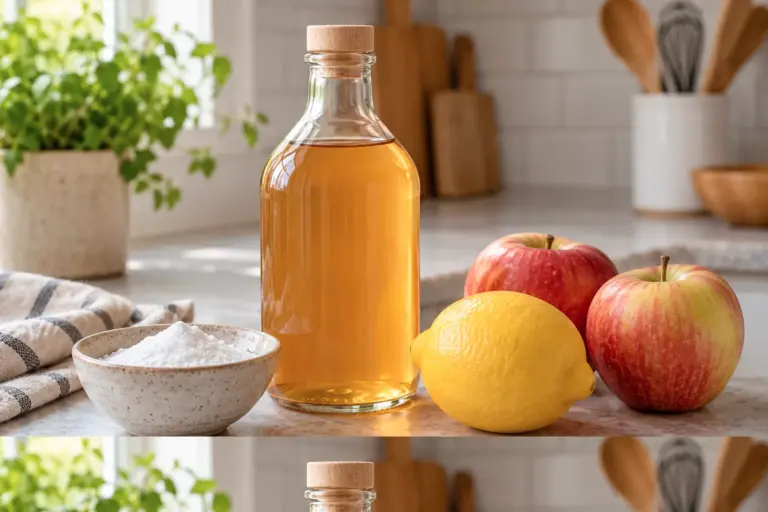
Baking soda for gout is one of the few home remedies that can actually harm you — the sodium load, the alkalosis risk, and what to do instead.

Celery seed extract for gout has a tidy laboratory story and almost no human evidence — here is what it may do, and the cautions the forums leave out.